


Wo finde ich Kreuzrollenlager, die für Robotikanwendungen ausgelegt sind?
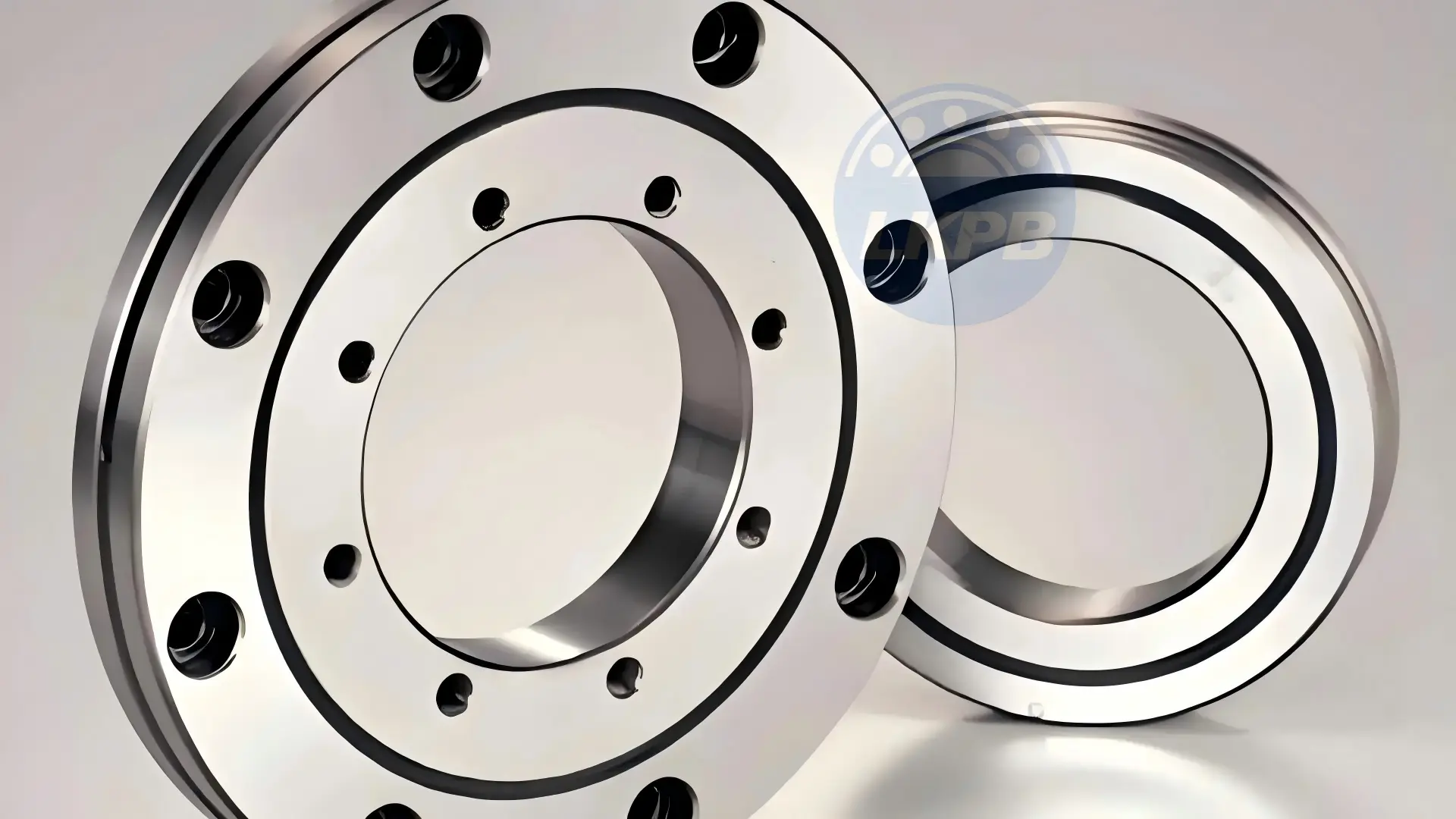
In der sich rasant entwickelnden Welt der Robotik trägt jede Komponente dazu bei, die Präzision, Zuverlässigkeit und Effizienz zu erreichen, die moderne Automatisierung erfordert. Kreuzrollenlager erweisen sich als entscheidende Lösung für Robotergelenke und -mechanismen und bieten unübertroffene Steifigkeit und Belastbarkeit auf engstem Raum. Wenn Sie auf der Suche nach hochwertigen Kreuzrollenlagern sind, die speziell für Robotikanwendungen entwickelt wurden, LKPB—ein führender Hersteller von Präzisionslagern mit Sitz in Luoyang, China—bietet technische Lösungen an, auf die globale Erstausrüster und Systemintegratoren vertrauen.
Dieser umfassende Leitfaden behandelt alles, was Sie über die Auswahl, den Einsatz und die Beschaffung dieser Speziallager wissen müssen. Ganz gleich, ob Sie industrielle Roboterarme, kollaborative Roboter (Cobots), medizinische Robotersysteme oder Präzisionsautomatisierungsanlagen entwickeln – hier finden Sie praktische Erkenntnisse, die auf realen Erfahrungen aus der Ingenieurspraxis basieren.
Kreuzrollenlager verstehen: Die Grundlage für Präzision in der Robotik
Kreuzrollenlager, auch als Kreuzrollenlager bekannt, zeichnen sich durch zylindrische Rollen aus, die in einer einzigen Laufbahn rechtwinklig zueinander angeordnet sind. Diese orthogonale Anordnung ermöglicht es einem einzelnen Lager, gleichzeitig radiale Belastungen, axiale Belastungen und Kippmomentbelastungen aufzunehmen – wodurch der Einsatz mehrerer Lagersätze entfällt, die andernfalls zu einer Erhöhung von Größe, Gewicht und Komplexität führen würden.
Im Gegensatz zu herkömmlichen Kugellagern oder Kegelrollenlagern sorgt die gekreuzte Anordnung für einen Linienkontakt zwischen den Rollen und den Laufbahnen. Diese Konstruktion bietet eine außergewöhnliche Steifigkeit bei minimaler elastischer Verformung, wodurch sich diese Lager ideal für Anwendungen eignen, bei denen bereits Durchbiegungen im Mikrometerbereich die Leistung beeinträchtigen können.
Wesentliche Konstruktionsmerkmale:
- Die Rollen sind im 90-Grad-Winkel angeordnet und durch Käfige oder Abstandshalter voneinander getrennt, um ein Verziehen und Reibung zu verhindern.
- Hohe Drehgenauigkeit, wobei häufig Wiederholgenauigkeitstoleranzen von bis zu ±0,01 mm erreicht werden.
- Kompaktes Profil: Die Varianten mit dünnem Querschnitt sparen wertvollen Platz in Roboterhandgelenken, -ellenbogen und -schultern.
- Geringes Reibungsdrehmoment, das einen energieeffizienten Betrieb ermöglicht – besonders wichtig für batteriebetriebene Roboter oder Roboter mit hoher Einschaltdauer.
Ingenieure im Bereich der Robotik bevorzugen diese Lager, da sie auch unter dynamischer, mehrachsiger Belastung ihre Positionsgenauigkeit beibehalten. Bei einem typischen sechsachsigen Gelenkroboter sind die Gelenke bei Hochgeschwindigkeitsbewegungen oder beim Handling von Nutzlasten komplexen Kraftkombinationen ausgesetzt. Kreuzrollenlager zeichnen sich hier dadurch aus, dass sie die Lasten gleichmäßig verteilen und einer Durchbiegung widerstehen.
Warum Kreuzrollenlager für Anwendungen in der Robotik unverzichtbar sind
Die Robotik erfordert Komponenten, die Präzision, Langlebigkeit und Kompaktheit in Einklang bringen. Und genau das leisten Kreuzrollenlager:
1. Hervorragende multidirektionale Tragfähigkeit Roboterarme müssen nicht nur Lasten, sondern auch Torsionsmomente und Schubkräfte während der Beschleunigung, Verzögerung und der Handhabung von Nutzlasten bewältigen. Die Kreuzrollenkonstruktion sorgt für eine hohe Steifigkeit – oft das 3- bis 4-Fache derjenigen vergleichbarer Schrägkugellager – und gewährleistet gleichzeitig eine gleichmäßige Bewegung.
2. Außergewöhnliche Positionsgenauigkeit und Wiederholgenauigkeit Bei Präzisionsaufgaben wie der Handhabung von Halbleitern, der Unterstützung bei medizinischen Eingriffen oder der automatisierten Montage summieren sich selbst kleinste Fehler. Kreuzrollenlager minimieren Spiel und Durchbiegung und gewährleisten so die in der modernen Fertigung erforderliche Genauigkeit im Submikrometerbereich.
3. Platz- und Gewichtsersparnis Roboterentwickler kämpfen ständig um jeden Millimeter und jedes Gramm. Die Ein-Lager-Lösung ersetzt sperrigere Mehrfachlageranordnungen und ermöglicht so schlankere Gelenkprofile, ohne dass dabei Leistungseinbußen hingenommen werden müssen. Dies ist besonders wertvoll bei kollaborativen Robotern, die auf engstem Raum Seite an Seite mit Menschen arbeiten.
4. Geringere Reibung und Energieeffizienz Geringere Drehmomentanforderungen bedeuten einen geringeren Stromverbrauch und eine geringere Wärmeentwicklung. Bei mobilen oder humanoiden Robotern verlängert dies die Betriebszeit zwischen den Ladevorgängen und verringert den Aufwand für das Wärmemanagement.
5. Lange Lebensdauer und Zuverlässigkeit Bei korrekter Auslegung und Wartung bieten diese Lager eine hervorragende Verschleißfestigkeit, selbst bei kontinuierlichem Hochgeschwindigkeitsbetrieb. Ihre robuste Bauweise ist für die anspruchsvollen Betriebszyklen im industriellen 24/7-Einsatz ausgelegt.
Zu den Beispielen aus der Praxis zählen die Integration in Roboterbasen bzw. Hüftgelenke für die Drehung schwerer Nutzlasten, in Schulter- und Ellbogengelenke für Reichweite und Geschicklichkeit sowie in Handgelenkmechanismen für die Feinmanipulation.
Abbildung 1: Vergleich der Tragfähigkeit (konzeptioneller Überblick) Stellen Sie sich ein Balkendiagramm vor, in dem verschiedene Lagertypen miteinander verglichen werden:
- Kreuzrollenlager: Hohe radiale Belastbarkeit (+++), hohe axiale Belastbarkeit (+++), hohes Drehmoment (+++), Steifigkeit (sehr hoch)
- Schrägkugellager: Mittlere Radialbelastung (++), hohe Axialbelastung (++), mittleres Moment (++), Steifigkeit (mittel bis hoch)
- Standard-Rollenlager: Sehr hohe radiale Belastbarkeit (++++), geringe axiale Belastbarkeit (+), mittleres Drehmoment (++), hohe Steifigkeit
Diese Visualisierung verdeutlicht, warum Kreuzrollenlager bei komplexen Bewegungsabläufen in der Robotik eine dominierende Rolle spielen.
Die Auswahl der richtigen Kreuzrollenlager für Ihr Roboterprojekt
Bei der Auswahl des optimalen Lagers sind mehrere Faktoren zu berücksichtigen:
- Größe und Serie: Zu den gängigen Baureihen zählen die Serien RA, RB, RE, RU, SX, XU sowie die Varianten CRB/CRBC. Modelle mit schmalem Querschnitt eignen sich für kompakte Arme; größere Modelle passen zu robusten Sockeln.
- Genauigkeitsklasse: P5 für allgemeine Robotikanwendungen, P4 oder P2 (oder ein höherer VSP) für Anwendungen, die höchste Präzision erfordern.
- Material und Aufbereitung: Hochwertiger Lagerstahl mit spezieller Wärmebehandlung zur Erzielung von Härte und Ermüdungsfestigkeit. Korrosionsbeständige Varianten für den Einsatz in Reinräumen oder im medizinischen Bereich.
- Montagekonfiguration: Die Ausführung mit Spaltringen vereinfacht die Montage; Modelle mit Befestigungslöchern machen zusätzliche Befestigungselemente überflüssig.
- Schmierung und Abdichtung: Mit Fett gefüllte Dichtungen für einen wartungsfreien Betrieb in staubigen Umgebungen oder in Bereichen, die einer Hochdruckreinigung ausgesetzt sind.
- Personalisierung: LKPB ist auf maßgeschneiderte Lösungen spezialisiert, darunter Sonderabmessungen, erhöhte Steifigkeit oder die Integration mit Harmonic-Antrieben.
Ingenieure sollten in der Konstruktionsphase mithilfe von Hersteller-Tools oder der Finite-Elemente-Analyse (FEA) die äquivalenten dynamischen Belastungen, die erwartete Lebensdauer (L10-Wert) und die Anforderungen an die Steifigkeit berechnen.
Tabelle 1: Gängige Kreuzrollenlager-Baureihen für die Robotik (Zusammenfassung)
| Serie | Hauptmerkmale | Typische Roboteranwendungen | Steifigkeitsgrad |
|---|---|---|---|
| RA/RAU | Dünnwandig, leicht | Roboterhandgelenke, kleine Cobots | Hoch |
| RB | Hohe Steifigkeit, zerlegbar | Industriearme, Drehtische | Sehr hoch |
| RU | Integrierte Innen- und Außenringe | Präzisionspositioniertische | Sehr hoch |
| SX/XU | Kompakt, hohe Belastbarkeit | Ellbogen-/Schultergelenke | Hoch |
| CRBH | Solide Bauweise | Hochgeschwindigkeits- und hochpräzise Verbindungen | Außergewöhnlich |
(Ausführliche technische Datenblätter und 3D-Modelle sind bei namhaften Herstellern wie LKPB erhältlich.)
LKPB: Ihr zuverlässiger Partner für Präzisions-Kreuzrollenlager
Als spezialisierter chinesischer Hersteller mit über einem Jahrzehnt Erfahrung konzentriert sich LKPB ausschließlich auf Hochpräzisionslager, einschließlich eines umfassenden Sortiments an Kreuzrollenlagern mit einem Innendurchmesser von φ20 mm bis φ2000 mm. In unseren Produktionsstätten legen wir großen Wert auf strenge Qualitätskontrollen, moderne CNC-Bearbeitung und Messtechnik, um sicherzustellen, dass jedes Lager die internationalen Normen erfüllt oder übertrifft.
Wir betreuen internationale Kunden aus den Bereichen Robotik, Werkzeugmaschinen, medizinische Geräte und Halbleiterfertigung. Die wichtigsten Vorteile einer Zusammenarbeit mit LKPB:
- Wettbewerbsfähige Preise in Verbindung mit erstklassiger Qualität (verfügbar in den Genauigkeitsklassen P2 und P4).
- Möglichkeiten zur schnellen Prototypenerstellung und individuellen Anpassung.
- Umfassender technischer Support, von der Anwendungsberatung bis hin zur Montageanleitung.
- Zuverlässige Lieferkette sowohl für Standard- als auch für OEM-Mengen.
Unsere Kreuzrollenlager wurden weltweit in erfolgreiche Robotersysteme integriert und tragen dazu bei, dass unsere Kunden einen höheren Durchsatz, eine bessere Wiederholgenauigkeit und niedrigere Gesamtbetriebskosten erzielen.
Installation, Wartung und bewährte Vorgehensweisen
Durch die richtige Handhabung lässt sich die Lebensdauer der Lager maximieren. Zu den wichtigsten Schritten gehören:
- Reinigen Sie die Montageflächen und verwenden Sie Präzisionswerkzeuge, um Brinelling zu vermeiden.
- Wenden Sie die empfohlene Vorspannung an, um eine optimale Steifigkeit ohne übermäßige Reibung zu erzielen.
- Beachten Sie die Drehmomentvorgaben für die Befestigungsschrauben.
- Verwenden Sie geeignete Hochleistungsfette und überwachen Sie die Betriebstemperaturen.
Regelmäßige Überprüfungen auf ungewöhnliche Geräusche, Vibrationen oder Temperaturanstiege tragen dazu bei, Probleme frühzeitig zu erkennen.
Häufig gestellte Fragen und Lösungen (FAQ)
Frage 1: Wie unterscheiden sich Kreuzrollenlager von Harmonic-Drive-Lagern in Robotern? Kreuzrollenlager ergänzen häufig Harmonic-Antriebe, indem sie an den Abtriebsstufen eine hochsteife Lagerung gewährleisten, während die Harmonic-Antriebe die Untersetzung übernehmen. Sie zeichnen sich durch ihre Fähigkeit zur direkten Lastabtragung aus.
Frage 2: Was führt zu vorzeitigem Ausfall bei Roboteranwendungen? Häufige Probleme sind Verunreinigungen, unsachgemäße Montage bzw. Vorspannung, Überlastung oder ungeeignete Schmierung. Lösungen: Verwenden Sie abgedichtete Lager, befolgen Sie die Einbauvorschriften und führen Sie regelmäßige Wartungsarbeiten durch.
Frage 3: Sind sie für Hochgeschwindigkeitsrobotik geeignet? Ja, bei richtiger Auswahl (käfiggetrennte Rollen) und Schmierung ermöglichen sie mittlere bis hohe Drehzahlen bei gleichbleibender Genauigkeit.
Frage 4: Wie finde ich zuverlässige Lieferanten? Achten Sie auf Hersteller mit eigener Produktion, detaillierten Prüfberichten und Anwendungs-Know-how. LKPB bietet direkte technische Beratung an.
Frage 5: Wie sieht es mit dem Verhältnis von Kosten und Leistung aus? Die Anfangsinvestition ist zwar höher als bei Standardlagern, doch die überlegene Lebensdauer, Präzision und die reduzierten Ausfallzeiten sorgen in anspruchsvollen Robotersystemen für eine hohe Kapitalrendite.
Frage 6: Bieten Sie maßgeschneiderte Lösungen für individuelle Roboterkonfigurationen an? Ganz genau – LKPB bietet maßgeschneiderte Lager, die auf spezifische Anforderungen hinsichtlich Belastung, Platzbedarf und Umgebungsbedingungen zugeschnitten sind.
Die Zukunft der Kreuzrollenlager in der Robotik
Da sich die Robotik zunehmend auf humanoide Formen, chirurgische Assistenzsysteme und autonome mobile Roboter ausweitet, wird die Nachfrage nach kompakten, leistungsstarken Lagern steigen. Innovationen bei Werkstoffen, Beschichtungen und integrierten Sensoren werden die Leistungsfähigkeit weiter verbessern. Die Zusammenarbeit mit einem erfahrenen Hersteller gewährleistet den Zugang zu diesen Fortschritten.
Fazit: Finden Sie noch heute Ihre idealen Kreuzrollenlager
Wenn Sie Kreuzrollenlager für Robotikanwendungen suchen, die Präzision, Steifigkeit und Zuverlässigkeit bieten, wenden Sie sich an bewährte Spezialisten. LKPB verbindet chinesische Fertigungskompetenz mit globaler Kundenorientierung und bietet Ihnen die Qualität und den Support, die Sie benötigen, um Ihre Roboterinnovationen zum Leben zu erwecken.
Wenden Sie sich an unser Team, um technische Daten, Muster oder individuelle Angebote zu erhalten. Stöbern Sie in unserem vollständigen Katalog und entdecken Sie, wie die richtigen Lager die Leistung Ihres Roboters verbessern können.
Artikel Stichwörter: Kreuzrollenlager, gekreuzte Rollenlager, Kreuzrollenlager für die Robotik, Robotiklager, Präzisionslager für die Robotik, Lager für Industrieroboter, Lager mit hoher Steifigkeit, LKPB-Lager, Gelenklager für Roboter, Mehrfachbelastungslager, Dünnwand-Kreuzrollenlager
Für fachkundige Beratung bei der Erfüllung Ihrer spezifischen Anforderungen wenden Sie sich an unser kompetentes Team. Erleben Sie aus erster Hand, wie unsere Präzisionslösungen die Effizienz und Haltbarkeit Ihrer Maschinen steigern können. Kontaktiere uns heute!
LKPB Mit mehr als 10 Jahren Produktionserfahrung
Unterstützender OEM-Service; 50 Tage Rückgabeservice; 7*24 Stunden technischer Support; Akzeptieren Sie nicht standardmäßige Anpassungen. Maximal 24 Monate Produktgarantie
LKPB®
Schnell ein kostenloses Angebot erhalten
Bitte teilen Sie uns das Produktmodell und die Menge mit, die Sie benötigen, und wir werden Ihnen das günstigste Angebot unterbreiten! Alternativ können Sie auch unser kompetentes Kundenservice-Team kontaktieren
Email: [email protected] WhatsApp/Wechat: +86 13613886217


